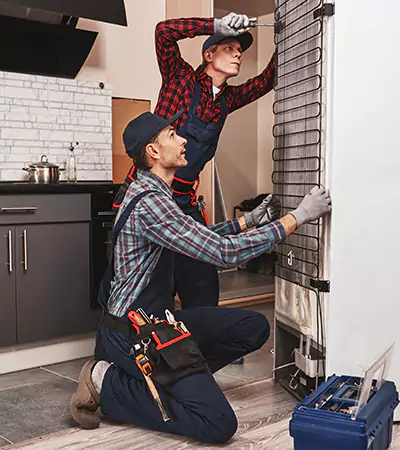
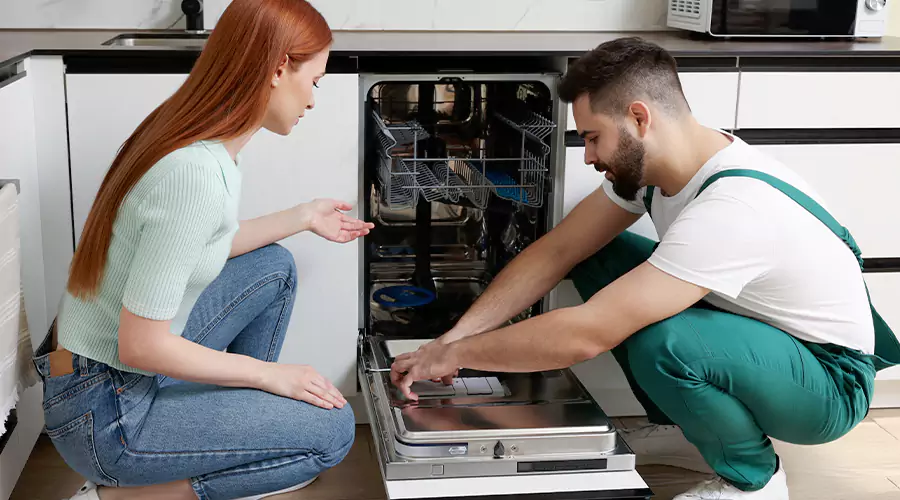
Home appliances can fail at the worst possible time. A refrigerator may stop cooling overnight, a washer may flood the laundry room, or a stove may create a safety concern during meal prep.
Emergency appliance repair helps homeowners respond quickly when an appliance failure creates safety risks, water damage, food loss, or major disruption. Knowing when to act can protect your home and prevent a small issue from becoming a costly repair.
Why Fast Appliance Service Matters?
Sudden breakdowns can affect more than convenience. A leaking dishwasher can damage flooring, a hot dryer can create risk, and a warm refrigerator can spoil groceries quickly.
Reliable emergency appliance repair services give homeowners access to faster help when the situation cannot wait. Quick service can reduce damage, protect safety, and restore normal household routines.
When a Repair Becomes Urgent?
Some appliance issues need attention right away because they can create property damage or unsafe conditions. Water, gas, heat, and electrical problems should always be treated seriously.
Professional urgent appliance repair is often needed when an appliance leaks, sparks, overheats, smells like burning, or stops working during a critical time. Waiting too long can increase the repair cost and create more stress.
Same Day Help for Serious Problems
Many homeowners need same day appliance repair when the appliance affects food storage, laundry, cooking, or safety. A fast visit can help diagnose the issue before it damages other parts of the home.
Local availability can make a major difference during an urgent situation. Searching for appliance repair near me can help homeowners find nearby technicians who may offer quicker response times.
When the Appliance Completely Stops?
An appliance not working issue may be urgent when the unit supports an essential daily task. A dead refrigerator, failed oven, broken washer, or non-working dryer can quickly interrupt a household routine.
Basic checks can help before calling for service. Make sure the appliance has power, the breaker has not tripped, and the settings are correct, but do not open panels or touch wiring.
Water Leaks Need Quick Action
An appliance leaking water problem should be handled quickly because moisture can spread under floors, cabinets, and walls. Washers, dishwashers, refrigerators, and water dispensers can leak from hoses, valves, pumps, seals, or clogged drains.
Immediate steps can limit damage before help arrives. Turn off the water supply if it is safe, unplug the appliance when water is not near the outlet, and move items away from the wet area.
Burning Smells Are Warning Signs
An appliance burning smell can point to overheating parts, damaged wiring, trapped lint, motor trouble, or electrical failure. This type of issue should never be ignored because it may create a fire risk.
Stop using the appliance if a burning smell appears during operation. A trained technician can inspect the unit and determine whether the problem comes from wiring, airflow, heating parts, or internal components.
Sparking Appliances Are Unsafe
An appliance sparking during use can signal electrical damage, loose wiring, moisture contact, or a faulty component. This can happen with ovens, stoves, dryers, microwaves, or other powered units.
Turn the appliance off immediately if you see sparks. Avoid restarting the unit until a qualified technician checks the appliance and confirms it is safe.
Refrigerator Emergencies
A refrigerator stopped working situation can become urgent because food can spoil quickly. Warm temperatures, clicking sounds, water pooling, or a unit that runs constantly may point to compressor trouble, fan failure, or thermostat issues.
Fast emergency refrigerator repair can help protect groceries and reduce the chance of deeper system damage. A technician can check airflow, coils, fans, electrical parts, temperature controls, and door seals.
Freezer Cooling Failure
A freezer not freezing problem can lead to thawed food, water leaks, and wasted groceries. Ice buildup, warm air, strange sounds, or a soft freezer temperature can mean the system needs prompt inspection.
Early service may prevent food loss and avoid damage to the compressor. Homeowners should keep the freezer closed as much as possible until the unit is checked.
Washer Overflow Problems
A washer overflowing can flood a laundry room and damage flooring in minutes. The cause may involve a faulty water inlet valve, pressure switch, drain issue, hose problem, or control failure.
Quick action can reduce water damage before the technician arrives. Turn off the water supply, stop the cycle, and avoid using the washer again until the issue is repaired.
Dryer Overheating Concerns
A dryer overheating issue can create serious safety risks, especially when lint buildup restricts airflow. Warning signs may include hot clothes, a burning odor, longer drying times, or a dryer that shuts off during a cycle.
Regular vent cleaning can reduce risk, but overheating should still be checked by a professional. A technician can inspect the vent, thermostat, heating element, motor, and airflow path.
Gas Stove Safety Problems
A gas stove emergency requires immediate attention because gas leaks and ignition problems can be dangerous. If you smell gas, leave the area, avoid switches or flames, and contact the proper emergency service or utility provider.
Service should only continue after the area is safe. A qualified technician can then inspect burners, valves, igniters, connections, and control parts.
Oven Heating Failure
An oven not heating problem may not always be an emergency, but it can become urgent when the unit smells like gas, sparks, overheats, or fails during an important time. The issue may involve an igniter, heating element, sensor, thermostat, or control board.
Safe diagnosis matters because ovens use high heat and electrical or gas systems. A technician can test the parts and explain whether repair is the right option.
Dishwasher Leaks and Kitchen Damage
A dishwasher leaking can damage cabinets, flooring, and nearby walls if the problem continues. Leaks may come from a worn door gasket, loose hose, cracked pump, clogged drain, or faulty inlet valve.
Shut off the appliance and clean standing water as soon as possible. A repair visit can help find the source before moisture creates hidden damage.
Emergency Appliance Issues & Immediate Actions
| Urgent Issue | Potential Cause | Immediate Action to Take |
|---|---|---|
| Complete Failure | Power/breaker issues, control board failure. | Check power/breakers; do not open panels or touch wiring. |
| Water Leaks | Hoses, pumps, seals, clogged drains. | Shut off water supply; unplug (if safe); clean up water. |
| Burning Smells | Overheating parts, wiring damage, trapped lint. | Stop use immediately; do not restart. |
| Visible Sparking | Electrical damage, moisture contact, faulty parts. | Turn off/unplug immediately; do not restart. |
| Gas Leak/Smell | Leaking valve, burner issue, or connection failure. | Evacuate immediately; do not use switches/flames; call emergency services. |
| Refrigerator/Freezer Failure | Compressor, fan, thermostat, or seal issues. | Keep doors closed to preserve temperature; call for professional repair. |
| Washer Overflow | Inlet valve, pressure switch, or drain issues. | Stop cycle; shut off water supply; avoid further use. |
| Dryer Overheating | Lint buildup, restricted airflow, or thermostat failure. | Stop use; clean vents; have a technician inspect for fire safety. |
| Oven Heating Failure | Igniter, heating element, or control board issues. | Stop use if sparking/burning; have a professional diagnose the system. |
Appliance Safety Issues to Watch
Several appliance safety issues require immediate action, including smoke, sparks, gas smells, flooding, overheating, and repeated breaker trips. These signs can point to electrical faults, damaged parts, blocked ventilation, or unsafe operation.
Homeowners should avoid using the appliance until the cause is known. Safety should come before convenience when heat, water, electricity, or gas is involved.
What Happens During a Service Call?
An appliance repair service call usually starts with inspection, testing, and diagnosis. The technician may check power, water flow, gas connection, drainage, airflow, temperature, and internal components.
Clear communication helps homeowners understand the next step. The technician should explain the problem, repair options, parts needed, and expected cost before completing major work.
Why Professional Repair Matters?
Professional appliance repair helps protect your home when a repair involves wiring, gas, water, heating elements, motors, or sealed cooling systems. Skilled service reduces the risk of guesswork and repeat breakdowns.
An experienced appliance repair technician can diagnose the real cause instead of replacing parts without a clear reason. Proper testing can also help confirm whether the appliance is safe to use again.
In-Home Service for Urgent Repairs
Many urgent issues can be handled through in-home appliance repair because large appliances are difficult to move. A technician can inspect the unit where it is installed and check the surrounding connections.
Reliable home appliance repair also allows the technician to review vents, hoses, power supply, water lines, and installation conditions. These details can affect appliance performance and safety.
Choosing the Right Emergency Technician
An emergency appliance technician should respond quickly, communicate clearly, and understand urgent household repair needs. Experience matters because emergency calls often involve safety concerns or active damage.
A qualified technician should also explain whether the appliance can be repaired safely. If the unit is too old or badly damaged, replacement may be the better long term choice.
When to Call for Appliance Repair?
Knowing when to call appliance repair can help homeowners avoid larger problems. Call right away if the appliance leaks, sparks, smells like burning, overheats, stops cooling, floods, or creates a gas concern.
Small problems can sometimes wait for a regular appointment, but safety issues should never be delayed. Fast action protects your home, reduces risk, and helps restore the appliance sooner.
Final Thoughts
Emergency appliance problems can affect safety, comfort, and property protection. Water leaks, overheating, electrical sparks, burning smells, gas concerns, and cooling failure all deserve quick attention.
A prompt repair visit can help prevent bigger damage and give homeowners clear answers. If an appliance creates risk or stops working when you need it most, contact a qualified technician right away.